Vigilance Beyond Pills: Safeguarding Health with Medical Device Pharmacovigilance
- Apr 26, 2024
- 3 min read
Hey Everyone! So, I've been diving deep into my role as a Regulatory Affairs Officer, and I've got some real gems to share about Pharmacovigilance and Medical Devices. Let's get into it!
In the dynamic landscape of healthcare, medical devices stand as crucial tools in diagnosis, treatment, and management of various conditions. Ranging from simple syringes to complex implantable devices, these innovations have revolutionized patient care. However, with innovation comes responsibility, particularly in ensuring the safety and efficacy of these devices throughout their lifecycle. Pharmacovigilance, the science of monitoring and assessing the safety of medical products, including devices, plays a pivotal role in this regard. In this detailed exploration, we delve into the intricacies of pharmacovigilance in medical devices, examining its importance, processes, challenges, and opportunities.
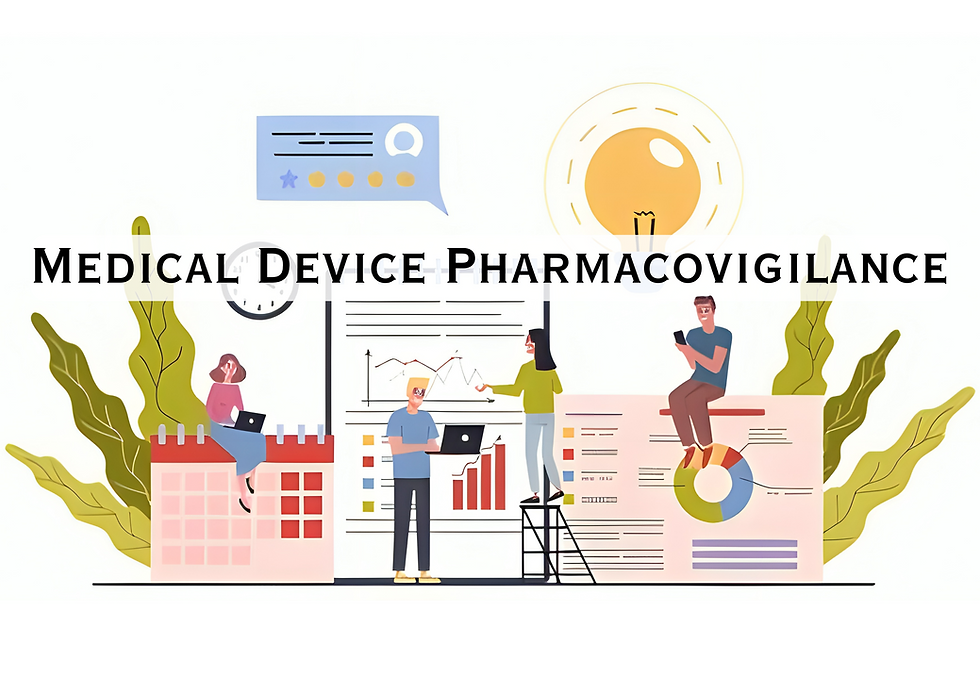
Understanding Pharmacovigilance in Medical Devices
Pharmacovigilance encompasses the systematic monitoring, detection, assessment, understanding, and prevention of adverse effects or any other device-related problems. While traditionally associated with pharmaceuticals, its scope has expanded to include medical devices, recognizing the need for comprehensive safety surveillance across all healthcare products.
The Significance of Pharmacovigilance in Medical Devices
Medical devices, despite their intended benefits, can pose risks to patients if not adequately monitored. These risks may range from minor inconveniences to severe complications, underscoring the importance of pharmacovigilance. By systematically collecting and analyzing data on adverse events associated with medical devices, pharmacovigilance helps identify potential safety concerns, enabling timely intervention and mitigation of risks.
Regulatory Oversight and Pharmacovigilance
Regulatory authorities, such as the Food and Drug Administration (FDA) in the United States and the European Medicines Agency (EMA) in Europe, play a central role in pharmacovigilance for medical devices. These agencies establish regulatory frameworks, guidelines, and reporting requirements to ensure the safety and effectiveness of medical devices on the market. They oversee post-market surveillance activities, review adverse event reports, and take regulatory actions to address safety concerns.
Processes and Activities in Pharmacovigilance
Pharmacovigilance activities for medical devices encompass several key processes:
Adverse Event Reporting: Manufacturers, healthcare professionals, and consumers are encouraged to report adverse events associated with medical devices to regulatory authorities. These reports provide valuable insights into device safety and help identify potential issues.
Signal Detection: Pharmacovigilance experts analyze reported adverse events to identify signals or patterns that may indicate previously unrecognized risks associated with a particular device or device class.
Risk Assessment: Once signals are detected, thorough risk assessments are conducted to evaluate the severity and likelihood of adverse events and determine appropriate risk mitigation measures.
Post-Market Surveillance: Manufacturers are required to implement post-market surveillance systems to monitor the performance and safety of their devices once they are on the market. This may involve collecting real-world data, conducting clinical studies, and monitoring feedback from users.
Challenges and Opportunities in Pharmacovigilance
Despite its importance, pharmacovigilance for medical devices faces several challenges, including:
Data Collection and Analysis: Managing large volumes of adverse event data and identifying meaningful signals can be resource-intensive and complex.
Global Harmonization: Variations in regulatory requirements and reporting systems across different regions present challenges for global pharmacovigilance efforts.
Timely Reporting: Ensuring timely reporting of adverse events by manufacturers, healthcare professionals, and consumers is essential for effective pharmacovigilance.
However, these challenges also present opportunities for innovation and improvement in pharmacovigilance practices. Advances in data analytics, artificial intelligence, and digital health technologies hold promise for enhancing signal detection, risk assessment, and post-market surveillance activities.
Best Practices and Recommendations
To enhance pharmacovigilance in medical devices, stakeholders can consider implementing the following best practices:
Promoting Awareness and Education: Providing training and educational resources to healthcare professionals, manufacturers, and consumers to improve understanding of pharmacovigilance principles and reporting requirements.
Enhancing Data Quality and Integration: Investing in systems and processes for standardized data collection, analysis, and reporting to facilitate more efficient pharmacovigilance activities.
Fostering Collaboration: Collaborating with regulatory authorities, industry partners, and healthcare providers to share information, best practices, and lessons learned in pharmacovigilance.
Conclusion
Pharmacovigilance is an essential component of ensuring the safety and effectiveness of medical devices. By actively monitoring and assessing device safety throughout their lifecycle, stakeholders can identify and address potential risks, ultimately contributing to improved patient outcomes and public health.
Reference:
FDA - Medical Device Safety
Until then, please visit our other blogs for more insightful content. Ciao!


Comments